

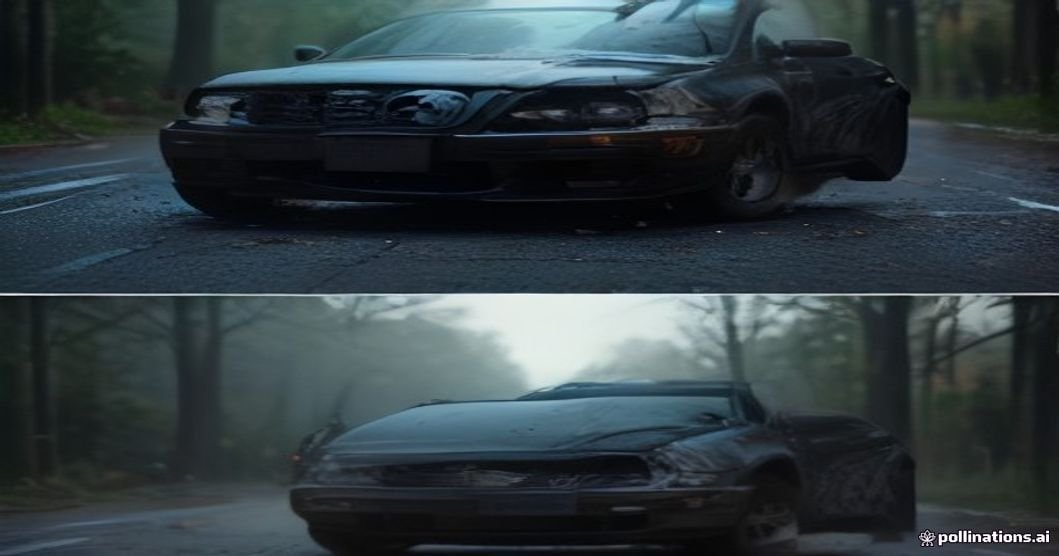
What to Do Immediately After a Car Accident: A Step-by-Step Guide
If you have just been in a car accident, it is normal to feel shocked, scared, or unsure what comes next. Take a slow breath. The most important thing is to protect people first, preserve useful information, and avoid statements that could complicate your claim. This car accident checklist will walk you through the immediate steps to take after a crash, from safety at the scene to documenting evidence, exchanging information, and filing an insurance claim.
Safety First
Before you think about insurance, fault, or repairs, focus on health and safety. Most car accident claims become stronger when you stay calm, follow a clear car accident checklist, and document the situation without putting yourself at risk.
Your immediate safety checklist
- Stop immediately and move to a safe location if you can: Turn on your hazard lights, pull over if the vehicle is drivable, and stay out of active traffic whenever possible.
- Check yourself and others for injuries: If anyone is hurt, call 911 right away. Even minor injuries can become more serious later, so medical attention is important.
- Call emergency services when needed: Contact police and medical help for injuries, blocked roads, significant property damage, hit-and-run situations, suspected drunk or impaired driving, or any situation where you feel unsafe.
- Do not leave the scene: Leaving after a crash can create legal problems and may hurt your claim. Stay until help arrives or until you are safely directed to leave.
- Stay calm and avoid arguing: Keep the conversation polite. Do not debate fault, blame, or what happened at the scene.
- Get checked after the crash: Adrenaline can hide pain. Seek medical care as soon as possible, especially after whiplash, head impact, back pain, or any sudden stiffness.
If the vehicle is blocking traffic and can be moved safely, move it to the shoulder. If it is not safe to move, stay nearby only when it is safe and wait for emergency responders.
Documenting the Scene
After everyone is safe, documenting the accident scene can make the insurance claim process much easier. Good photos, notes, and witness details help show what happened and protect you if memories fade or details are disputed.
What to capture at the accident scene
- Take photos of all vehicles involved, including front, back, sides, license plates, visible damage, and bumper height.
- Photograph the surrounding scene: traffic signs, lane markings, stop lights, road damage, skid marks, debris, weather conditions, and street signs.
- Record key details while they are fresh: time, date, location, direction of travel, traffic signals, road conditions, and how the vehicles ended up positioned.
- Gather witness information: Names, phone numbers, and short statements from anyone who saw the crash.
- Ask for the police report number: If officers respond, get the report number, officer names, and the agency involved.
- Do not risk your safety for photos: If the scene is dangerous, move to a safe place and document what you can later.
Exchanging Info
Exchanging information is one of the most important after a car accident steps. Keep it simple, factual, and respectful. You generally need to share required identifying and insurance details, but you should avoid comments that sound like an admission of fault.
What to share and what to avoid saying
| Information You MUST Share | Things You Should NEVER Say to the Other Driver |
|---|---|
| Your full name and current contact information | “It is my fault.” |
| Your driver’s license information, if required by local law | “I am sorry this happened because I should have seen you.” |
| Your vehicle registration and license plate number | “I was speeding, turning, or changing lanes.” |
| Your insurance company and policy information when appropriate | “I have enough insurance to cover everything.” |
| Your vehicle make, model, and year | “Do not call the police or your insurance company.” |
| Basic facts you personally observed, such as traffic signals or vehicle positions | “You look fine, so there is no need for medical care.” |
| Police report details if officers are present | “Sign this paper so we can both leave.” |
| A calm statement that you are checking on everyone and waiting for help | Any speculation about fault, injuries, damages, or settlement. |
It is okay to say, “I hope everyone is okay,” but avoid explanations that assign blame or admit responsibility. Let the police report, photos, witness statements, and insurance investigation determine fault.
Filing the Claim
Once the scene is handled and you have the necessary information, the next step is filing the claim. Starting early helps protect your rights, keeps records organized, and can speed up the repair, medical billing, and reimbursement process.
How to file your car accident insurance claim
- Notify your insurance company as soon as possible: Most policies require prompt notice after a crash.
- Provide a clear, factual summary: Share what happened without guessing, exaggerating, or discussing fault too early.
- Ask for your claim number: Write it down and keep it with your accident documents.
- Submit the accident report and photos: Include police report details, photos, witness information, and medical records when available.
- Keep every receipt and record: Save tow bills, rental car receipts, medical bills, prescription costs, repair estimates, and proof of missed work.
- Be careful with recorded statements: You can provide facts, but do not rush into a recorded statement until you understand the claim and your injuries.
- Do not accept a settlement too quickly: Early settlement offers may not account for future medical care, lost wages, or long-term pain.
A car accident can feel overwhelming, but taking one step at a time helps. Focus on safety, document the scene, exchange information calmly, and file your claim with organized records. That approach gives you the best chance of protecting your health, your finances, and your rights after a crash.





Leave a Reply